


















How to Test if the Door Switch is Activated
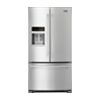
Testing if the Door Switch is Activated on your Maytag Refrigerator
The refrigerator door switch on your Maytag unit turns the interior lights on and off and signals the control system when a door is open or closed, and depending on the model allows water and ice to be dispensed. In this guide, we will review what the door switch is responsible for and how to test different components of the refrigerator.
What the Door Switch Does
The refrigerator door switch is a small, spring-loaded button set into the refrigerator cabinet frame, usually near the top, bottom, or side of the compartment. When the door closes, the door liner presses the switch, turning the lights off and communicating door status to the control board. Depending on your model, this can also affect fans and cooling behavior driven by the fridge door switch.
Signs the switch may be faulty include:
- Interior lights stay on with the door closed
- Lights never turn on with the door open
- Frequent door-ajar beeps or alerts
- Water or Ice not dispensing
To Test the Interior Lights:
- The interior lights should come on when the door is opened.
- Depress the door switch manually with the door open to verify the interior lights are turning off and on.
- If the door switch is not shutting the light(s) off, the refrigerator may get too warm.
To Test the Ice Maker:
- Apply a piece of tape to the door switch.
- Wait 24 hours to see if ice has formed.
To Test the Water Dispenser:
- Manually depress the door switch with a piece of tape.
- Depress the dispenser paddle to call for water.
Is the Refrigerator Level?
A refrigerator that is not level from side to side may appear to have doors that are not properly aligned, causing the door switch to operate incorrectly. If the doors appear this way, refer to your Owner's Manual or Installation Instructions for Leveling and Door Alignment procedures.
Learn how to use your phone to level household appliances.
If you would like to download or view product literature for your appliance, please visit our Manuals and Literature page.